
Success in any organisation doesn’t just come from having the right products, services, or strategy. It comes from the people who make it all happen.
Your employees are your most valuable asset, and their training and development can create powerful advantages that ripple across your organisation. Let’s explore how investing in employee development can transform organisational performance.
1. Power Up Your Employees’ Confidence and Competence
Anecdotally, I’ve noticed a substantial increase in new starters reporting that since the pandemic, formal inductions, proper onboarding training, and professional development plans set out by their former employers have fallen by the wayside — leaving employees underwhelmed by the lack of structure, opportunity, and development provided.
Equipping employees with relevant training fosters confidence and capability. This heightened self‑assuredness permeates their work and enhances customer interactions, thereby increasing customer satisfaction. Moreover, when you empower your employees, you’re setting them up to take initiative and present innovative solutions, resulting in continuous growth for your organisation.
It’s also worth remembering that some training is not just beneficial — it’s critical. Areas such as Health & Safety, information security, and data protection help prevent accidents, incidents, and costly mishaps. Without these foundations in place, businesses risk not only operational disruption but also reputational and legal consequences. By making these essential topics part of your training strategy, you’re actively safeguarding your people, your customers, and your business.
2. Build Loyalty and Reduce Employee Turnover
Training isn’t just about skill‑building — it’s about showing employees you value their growth and development. When staff feel their employer is invested in their development, loyalty increases, job satisfaction improves, and staff turnover drops.
This matters, because replacing employees is costly (in many ways!). High turnover disrupts continuity, drains resources, and risks losing valuable knowledge. A stable, experienced workforce creates a strong, collaborative culture — and that’s good for everyone.
3. Boost Business Performance and Growth
Well‑trained employees are more effective, efficient, and adaptable. They understand your processes, know how to meet customer expectations, and can identify opportunities to improve products, services, and operations.
That leads to better results: higher customer satisfaction, stronger relationships, repeat business, and a healthy bottom line. In many sectors, the organisations that consistently outperform their competition are the ones that invest in developing their people.
4. Cultivate Innovation and Adaptability
No matter your industry, the world moves fast — customer needs change, markets shift, and new tools, systems, and approaches emerge. Training keeps your workforce adaptable and open to new ideas, allowing you to respond quickly to opportunities and challenges.
By embedding continuous learning into your culture, you create a team that embraces change rather than resists it — which is vital for long‑term sustainability.
5. Create a Positive Company Culture
Training sends a strong message: we care about your growth and success. That message builds trust and strengthens morale. Employees feel valued, work together more effectively, and are more likely to share knowledge and support each other.
This creates a culture where people want to give their best, making your organisation a more enjoyable, productive, and successful place to work.

In Conclusion…
Training and development aren’t just “nice to have” — they’re a strategic priority. From boosting confidence to reducing turnover, improving performance, and building a positive culture, the benefits touch every part of your organisation.
By equipping your people with the skills, knowledge, and mindset they need, you’re investing in the long‑term success of both your employees and your organisation.
P.S. A Note for People Managers
Over the course of my career, I’ve managed diverse teams — from managers and operations staff to sales, marketing, admin, and technical roles. One of my first priorities with any new team has always been to run a skills audit or GAP analysis to identify strengths, weaknesses, and training needs.
From there, I put in place professional development plans to help employees grow. The results have been consistent: high‑performing teams that are easier to manage, more self‑sufficient, and more engaged.
Training isn’t just good for your people — it makes your job as a manager easier. That’s what I call a win/win/win.
Want to Build Skills Across Your Organisation?
Training and development are at the heart of sustainable success — but the right training makes all the difference. At COO Academy, we offer a range of practical, operations‑focused courses designed to help individuals, teams, and organisations perform at their very best.
Whether you’re looking to strengthen leadership, improve processes, or build specialist expertise, you’ll find courses that deliver measurable value and lasting impact.
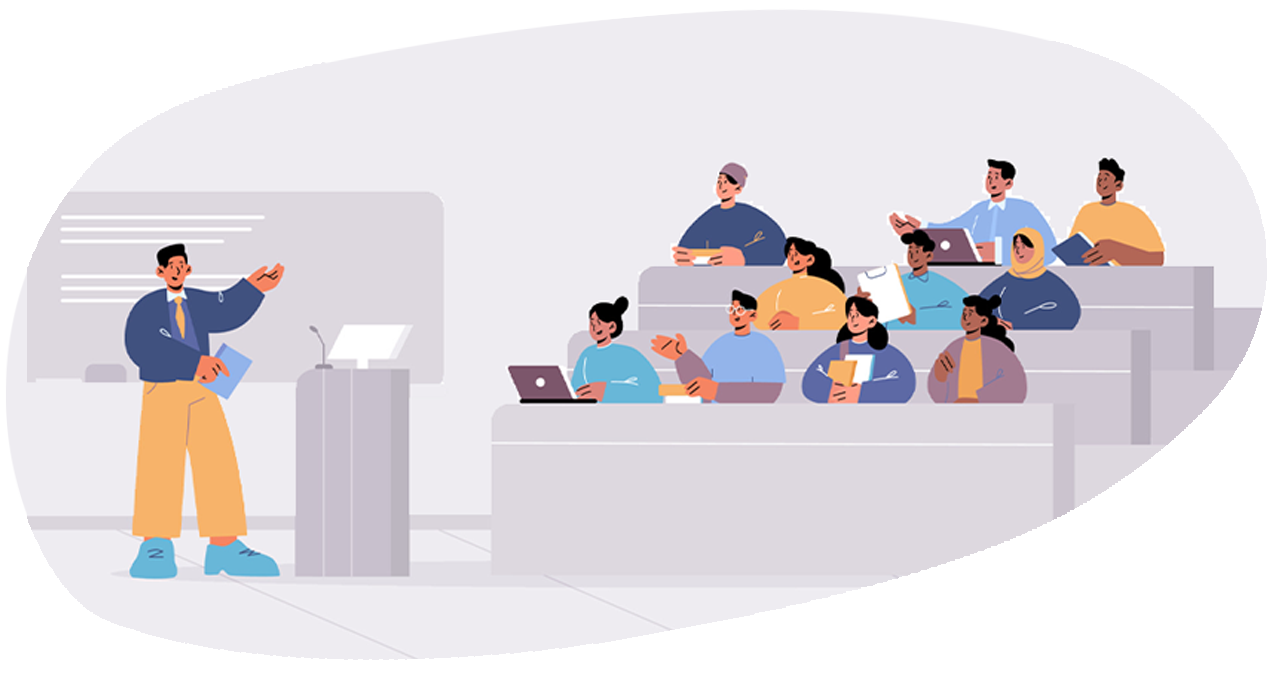
Main Image: Training Vectors by Vecteezy